

Data Roaming vs Local SIM, Staying Connected Abroad
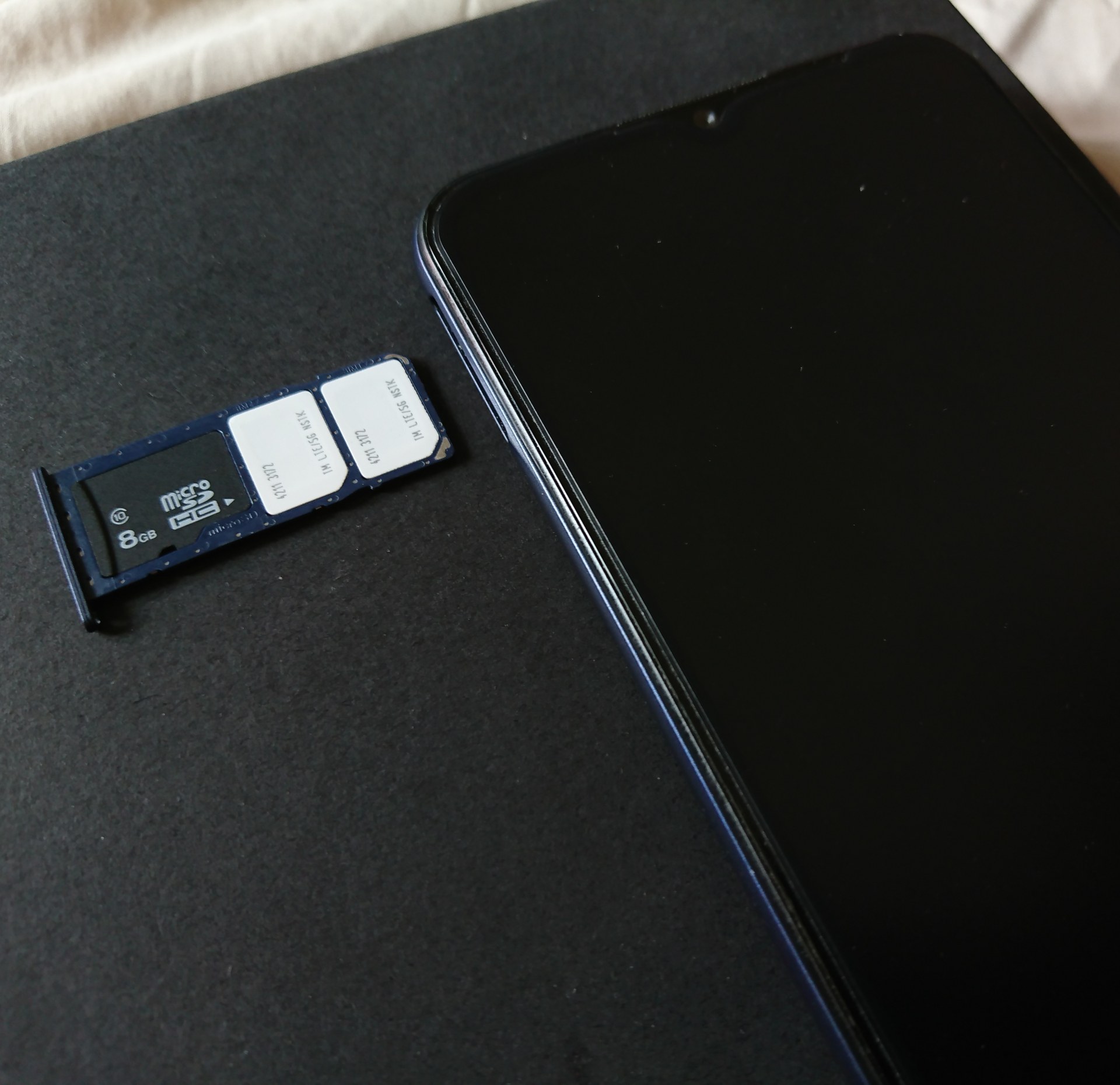
Staying connected abroad matters, for maps, ride hailing, translation, and keeping in touch with home. But how you do it affects your costs and convenience. Here is a clear guide to data roaming versus a local SIM, and the other options, for Nigerians travelling abroad.
Why staying connected matters
A working phone is almost essential when you travel. You use it to navigate, to book and pay for rides, to translate, to find places, and to reassure family back home that you have arrived safely. Sorting your connection is one of the first things to do on any trip.
Option one, data roaming
Roaming means using your Nigerian SIM abroad, with your provider charging you to connect through a foreign network. The advantage is convenience, as you keep your number and do nothing on arrival. The downside is cost, as roaming can be very expensive, so check the rates first, and consider a roaming bundle if your provider offers one.
Option two, a local SIM
Buying a local SIM card at your destination gives you a local number and, usually, much cheaper data and calls. It is the most cost effective option for many trips, especially longer ones. The small effort of buying and setting up a SIM on arrival is repaid in savings.
Option three, an eSIM
Many newer phones support an eSIM, a digital SIM you can buy and activate online before you even travel, often with affordable data plans for your destination. It gives you the savings of a local SIM without needing to find a shop on arrival, and you keep your Nigerian SIM active alongside it.
Option four, wifi
Wherever you are, free wifi in hotels, cafes and public places lets you connect without using data. It is useful for larger downloads and video calls. But do not rely on it alone, as you will want data on the move, and be careful with sensitive tasks on public wifi.
Plan your trip with Book with Hadey →
Which is best for a short trip?
For a short trip, an eSIM or a roaming bundle can be the easiest choice, giving you data with little effort. If your provider's roaming is reasonable for a few days, it may be worth the convenience. Weigh the small cost against the hassle of buying a SIM for a brief stay.
Which is best for a longer stay?
For a longer stay, a local SIM or a good eSIM plan almost always wins on cost. Over weeks or months, roaming becomes very expensive, while a local plan is cheap. If you are staying a while, sorting a local option early saves you a lot.
How to get a local SIM
You can usually buy a local SIM at the airport on arrival or at shops in the city. Bring your passport, as identification is often required, make sure your phone is unlocked to accept another SIM, and ask the seller to help you set it up. Within minutes you are connected at local rates.
Keeping your Nigerian number
If you use a local SIM or eSIM, you can often keep your Nigerian number reachable too, for calls and messages from home, especially with a dual SIM or eSIM phone. Turn off data roaming on your Nigerian SIM to avoid charges, while still receiving important calls and texts.
Saving your data
However you connect, a few habits save data. Download maps, music and entertainment on wifi before you go out, turn off automatic updates and background data, and use wifi for large tasks. A little care makes your data last longer and your costs stay low.
Frequently asked questions
Is roaming or a local SIM cheaper? A local SIM or eSIM is usually much cheaper, especially for longer trips. Roaming is convenient but can be very expensive.
What is an eSIM? A digital SIM you activate online before travelling, giving you affordable data at your destination without a physical card.
Can I keep my Nigerian number abroad? Often yes, especially with a dual SIM or eSIM phone. Turn off data roaming on it to avoid charges while still receiving calls and texts.
Watch out for bill shock
The biggest risk with staying connected abroad is a surprise bill from roaming you did not expect. Before you travel, check your provider's roaming rates, and if you are using a local SIM or eSIM, turn off data roaming on your Nigerian SIM. A moment's care avoids a nasty shock when you get home.
Set up before you fly
Sort your connection plan before you travel where you can. Buy an eSIM in advance, check your roaming options, or at least know where to get a local SIM on arrival. Landing with a plan means you are connected quickly, rather than stranded without data when you most need it.
Staying safe online abroad
However you connect, be careful with your security abroad. Avoid entering sensitive details on public wifi, be wary of unofficial SIM sellers, and keep your phone locked and backed up. A little caution protects your money and your data while you travel.
The bottom line
For most trips, an eSIM or a local SIM gives you the best value, while roaming suits a quick trip where convenience matters most. Whatever you choose, plan it before you fly, and you will stay connected without overpaying.
Staying connected abroad does not have to cost a fortune. Choose the option that fits your trip, a local SIM or eSIM for value, roaming for short trip convenience, and you will stay in touch with ease. When you are planning your travel, start with Book with Hadey.