US B1/B2 Visa Requirements for Nigerians, Complete Guide
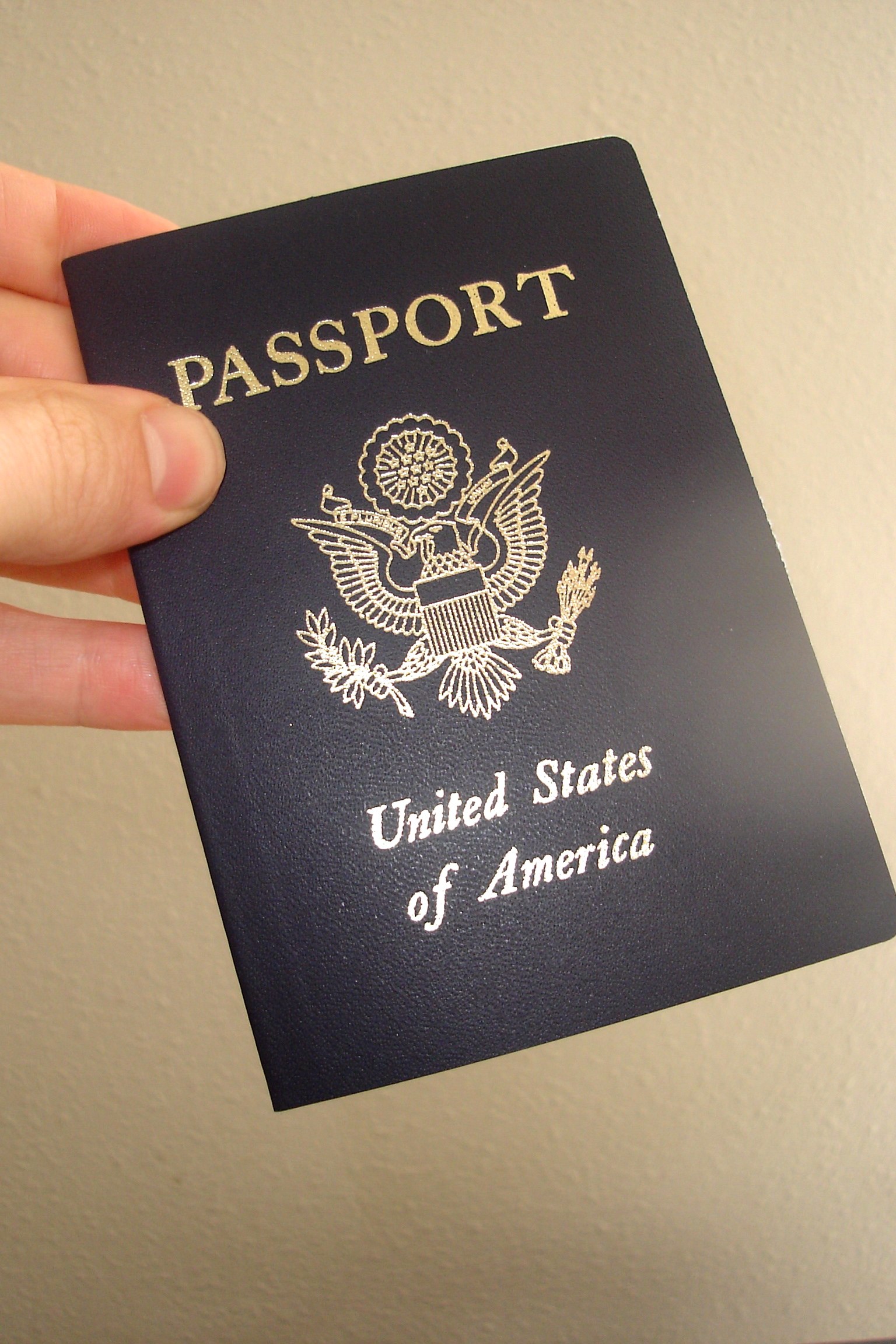
The US B1/B2 visa is the visitor visa for business and tourism, and it is one of the most sought after by Nigerians. The B1 covers business activities like meetings and conferences, while the B2 covers tourism, visiting family, and medical treatment. Most people apply for the combined B1/B2. Unlike some other countries, the United States asks nearly every applicant to attend an interview, so preparation matters more here than almost anywhere else.
The process from start to finish
- Complete the DS 160 form online and print the confirmation page. You can read the official requirements on the US State Department visitor visa page.
- Pay the visa application fee.
- Create your profile and book two appointments, one for biometrics and one for the interview.
- Attend your biometrics appointment to give fingerprints and a photo.
- Attend your interview at the embassy in Abuja or the consulate in Lagos.
- If approved, your passport is returned to you with the visa.
Keep every confirmation page safe. You will need your DS 160 barcode, your appointment letter, and your fee receipt on the day.
Filling the DS 160 carefully
The DS 160 is long and detailed, and accuracy is everything. The officer at your interview will have your answers in front of them, so anything that does not match what you say, or what your documents show, creates doubt. Take your time, answer truthfully, and keep a copy of what you submitted so you can revise it before the interview.
What to take to the interview
You do not hand over a big file at a US interview the way you might elsewhere, but you should still bring your key documents in case they are asked for.
- Your passport, valid for your trip.
- Your DS 160 confirmation and appointment letter.
- A recent photo that meets the requirements.
- Proof of funds, such as bank statements and income evidence.
- Evidence of your ties to Nigeria, like a job letter, business papers or property.
- Anything specific to your trip, such as an invitation or conference details.
The interview is the real test
Here is the part many Nigerians underestimate. A US visa decision often rests on a short conversation, sometimes only a couple of minutes. The officer is trying to understand two things, why you are travelling and whether you will return to Nigeria. Everything else supports those two questions.
Answer honestly and simply. Speak clearly, look at the officer, and give direct answers rather than long rehearsed speeches. If you are asked who is funding the trip, say so plainly and be ready to show it. If you are asked what you do, describe your work and your life in Nigeria naturally. Confidence built on the truth reads far better than a memorised script.
Proving you can fund the trip
You need to show you can afford your travel without difficulty. Your bank statements should reflect steady funds that match your income, not a sudden balance that appears just before the interview. If a family member is sponsoring you, that is fine, but be ready to explain who they are and show their ability to support you. Consistency between your story, your DS 160 and your documents is what builds trust. Our guide on proving sufficient funds goes deeper, and our proof of funds support can prepare this part for you.
Prepare for your US visa interview with Hadey →
Showing your ties to Nigeria
Because a visitor visa is temporary, the officer needs to believe you will come home. Strong ties make this easy to believe. A steady job, a business you run, property, and close family in Nigeria all show that you have reasons to return. Students can show their studies. The clearer your ties, the more comfortable the officer is granting the visa.
Why strong applicants still get refused
Many well qualified Nigerians are refused, and it is often not about their finances or their intentions. It is about preparation. Vague answers, nervousness that comes across as evasiveness, or a story that does not quite match the documents can all sink an interview. The people who do best are those who understand what the officer is really asking and answer with calm, honest clarity. It helps to know the common reasons applications get rejected so you can steer clear of them. When your visa comes through, you can compare flights from Lagos to New York with us.
Timing and reapplying
Interview appointments can be booked well ahead, and waiting times vary through the year, so start early, especially if you have a fixed travel date. If you are refused, you can apply again, but do not simply repeat the same application. Understand what was weak, strengthen it, and only reapply when your situation or your preparation has genuinely improved.
Frequently asked questions
How long is the visa valid? Many Nigerian applicants who are approved receive a visa valid for two years, though the exact validity is decided case by case. Each visit is usually for a limited stay, set by the officer at the border.
Can I be refused even with strong documents? Yes, because the interview carries real weight. That is exactly why preparing for the conversation, not just the paperwork, matters so much.
Should I book flights first? No. Do not buy tickets before your visa is granted. A clear plan is enough for the interview.
Visa validity and how long you can stay
It helps to understand the difference between your visa validity and your permitted stay. The visa, often valid for two years for Nigerian applicants, is simply the period during which you can travel to a US port of entry. How long you may actually stay is decided by the officer when you arrive, and it is recorded on entry. Always check the date you are given and do not overstay it, because overstaying can affect future travel to the United States for a long time.
Travelling with family
Each traveller needs their own DS 160 and their own interview, including children, though very young children are sometimes exempt from the interview itself. If you are travelling with your family, prepare each person's documents and be ready to explain the trip as a whole. For a child travelling with one parent, carry consent from the other parent and proof of your relationship.
After you are approved
Approval at the interview is not quite the final step. Your passport is returned with the visa, and you should check that your details are correct as soon as you receive it. When you travel, carry the documents that support your trip, because the officer at the US border makes the final decision on entry and how long you may stay. Being calm, honest and consistent matters at the border just as it did at the interview.
The US interview rewards preparation, and it punishes guesswork. Our team helps Nigerians get their documents in order and practise for the exact questions the Lagos and Abuja officers ask, so you walk in calm and ready rather than hoping for the best.
Start your visa application with Hadey
Get started with Hadey →